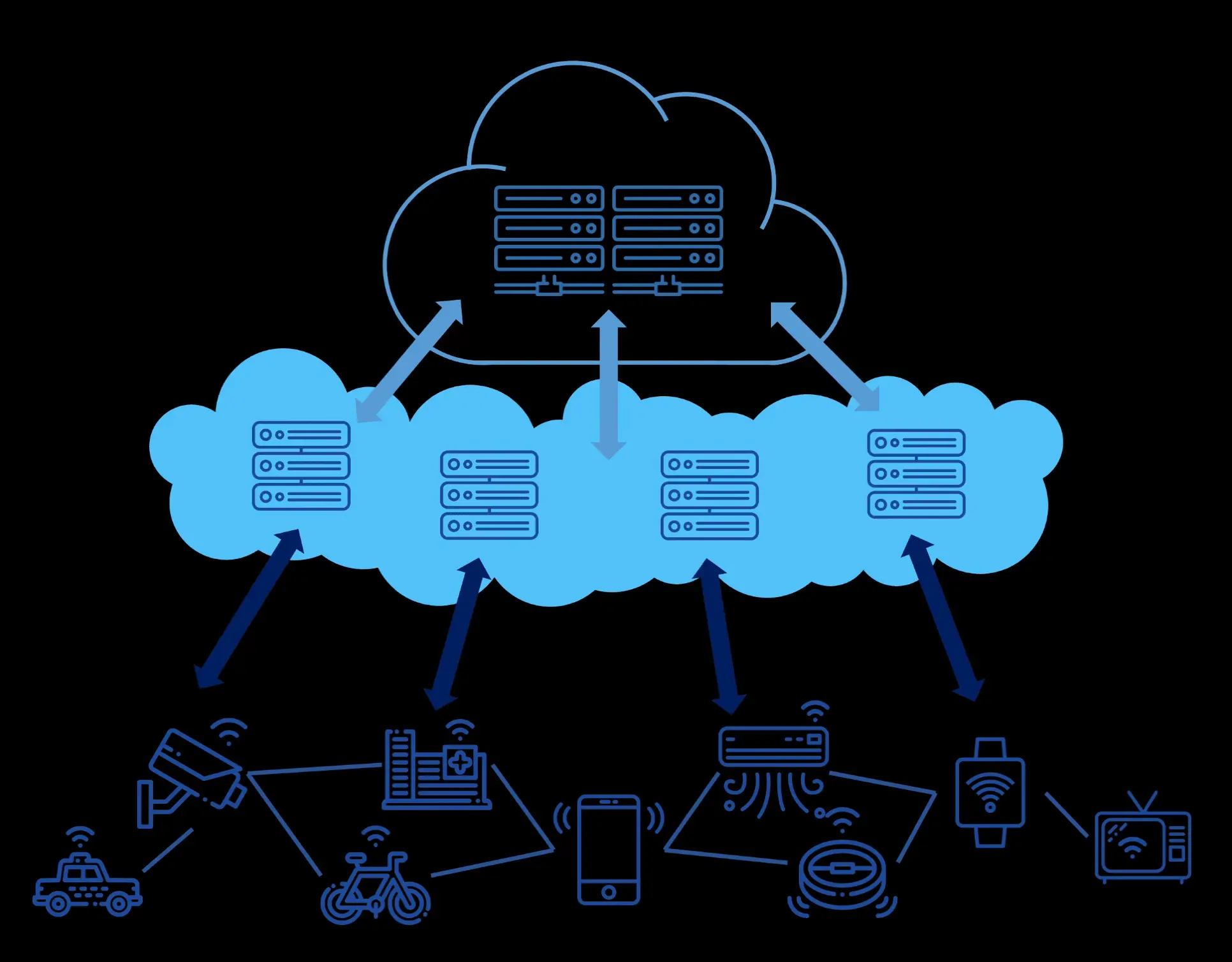
Computing on the Edge with Help From The Cloud
You may have heard about "Edge computing," "IoT," and "The Cloud", but how does a distributed system for autonomous cars, smart factories, or smart city sensors actually work?
How do you coordinate data processing between a tiny sensor on the street (the edge) and a massive server farm thousands of miles away (the cloud) without everything lagging to a halt?
In a presentation I had done in my Masters program, I broke down the results of a Multivocal Literature Review analyzing the current state of "Edge-to-Cloud" tools. Here is a high-level guide to what’s actually out there, how these tools work, and where the industry is heading.
1. Edge vs. Cloud: What's the Difference?
Before we talk about the tools, let’s clear up the geography of data.
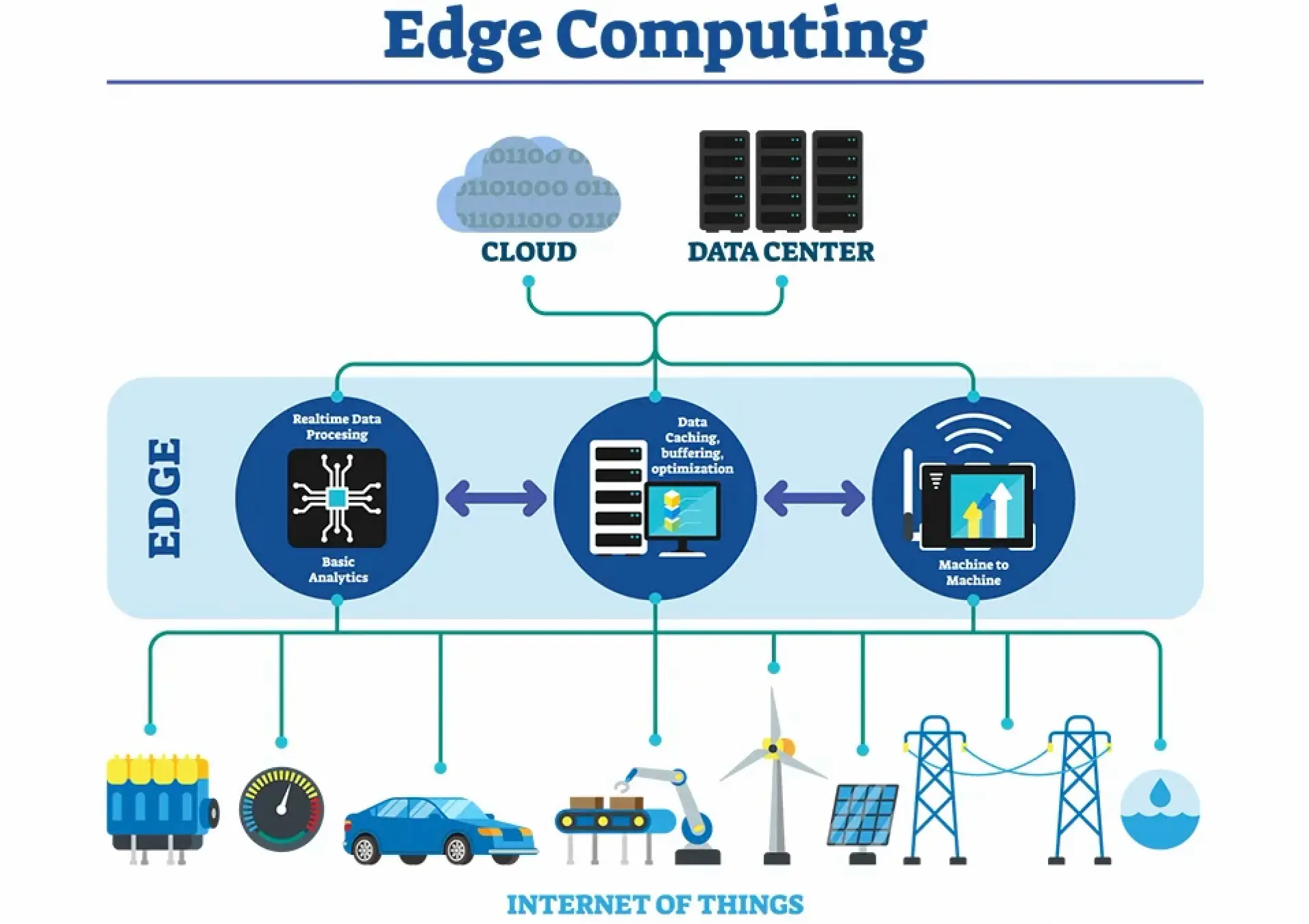
- The Edge: This is where data is born. Cameras, IoT sensors, or smartphones. Processing data here means ultra-low latency, decisions happen instantly.
- The Cloud: This is the giant central brain. It has massive storage and processing power, but sending data there takes time (latency) and consumes bandwidth.
- Edge-to-Cloud: The modern paradigm. It’s not about choosing one or the other, it’s about creating a seamless pipeline where data flows back and forth dynamically based on what needs to happen right now versus what can be processed later.
2. What is a "Multivocal" Literature Review?
In academia, researchers often look only at peer-reviewed journals (the "white" literature). But in fast-moving tech fields, the industry moves quicker than scientific publishers.
A Multivocal Literature Review (MLR) can help bridge the gap as it will take into account the following:
- White Literature: Formally peer-reviewed studies.
- Grey Literature: Real-world blog posts, technical white papers, documentation, and product roadmaps from the engineers building the systems.
By merging these two worlds, the writers of the review mapped out exactly what tools are actually available on the market right now, rather than just what exists in theory. They wanted to know: Which tools are out there, what are their characteristics, and what environments do they target?
3. The Tooling Landscape: What Was Found
When the analyzed the available edge-to-cloud tools, a few key trends jumped out:
| Characteristic | The Reality | Why It Matters |
|---|---|---|
| Offloading Flexibility | 85% of tools can do both edge-to-cloud and edge-only offloading. | You aren't locked into sending everything to the cloud; tasks can jump between local devices if the internet drops. |
| Platform Agnostic | Most tools are platform-agnostic. | You don't have to rebuild your app if you switch hardware or change cloud providers. |
| The King of Orchestration | Kubernetes completely dominates this space. | Containerization is the default way developers deploy and manage apps across the edge. |
Orchestration vs. Offloading
- Orchestration is the "manager." It decides where containers run, scales them up or down, and monitors their health.
- Offloading is the "mover." It physically shifts a heavy task (like running an AI model) from a battery-powered device to a nearby plug-in server to save power and time.
4. The Biggest Challenges Left to Solve
While the tools are maturing fast, there are still some major speed bumps if you're building in this space:
- Lack of Standardization: Many tools don't talk to each other easily. Open standards are needed so developers aren't locked into a single vendor's ecosystem.
- AI-Powered Offloading: Right now, deciding whether a task runs on the edge or the cloud is mostly done with hardcoded rules. The future looks to be AI-driven engines that decide where to run code on the fly.
- Simulation & Testing: It’s both difficult and expensive to physically test a network of 10,000 sensors. Better sandbox environments are needed to test edge-to-cloud setups before deploying them.
The Multivocal Literature Review Source
Be sure to give their findings a read over on Science Direct: https://www.sciencedirect.com/science/article/pii/S0164121223003370